
RESOURCES
To provide clear pathways to education, treatment, and support during the perinatal period.

FAQ’s
Check our our FAQ’s section and learn more about Perinatal Mental Health.


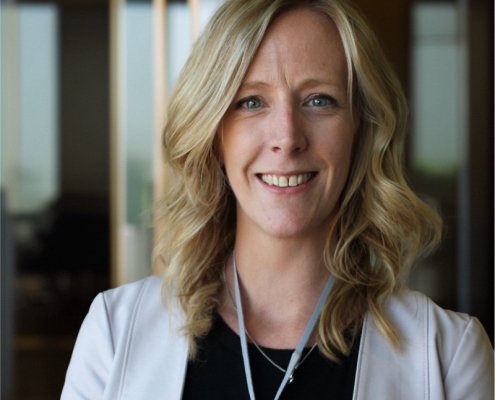
Saskatchewan Perinatal Health Network, formerly RPHN, was founded in July 2020 by Sara Beckel, a CAPPA-Certified Doula in Regina, SK. Sara began working in the perinatal mental health space in 2014 after the birth of her second daughter and used her personal and professional experience to support expecting and new parents experiencing a Perinatal Mood & Anxiety Disorder (PMAD).
Sara’s goal in founding RPHN was to ensure mothers and partners had a dedicated safe space to access emotional support prenatally and postpartum; ask any parenting questions; and connect with other parents. Sara’s early work at RPHN in 2020-2022 set the foundation for where the Network is today; she continues to use her birth support experience and voice to advocate for more timely and accessible perinatal mental health services in Canada.
In Fall 2025 RPHN transitioned to a province-wide model of support and rebranded as Saskatchewan Perinatal Health Network (SaskPHN).
Our goal is to act as a singular point of referral within our community (for members of the public and medical professionals) who are needing resources or support in building a recovery plan. We also work diligently to increase awareness and reduce stigma surrounding Perinatal Mood & Anxiety Disorders (PMADs), and organize ongoing educational opportunities and resources for those who work with new families. Most importantly, we work to create sustainable pathways to treatment and support in Saskatchewan.

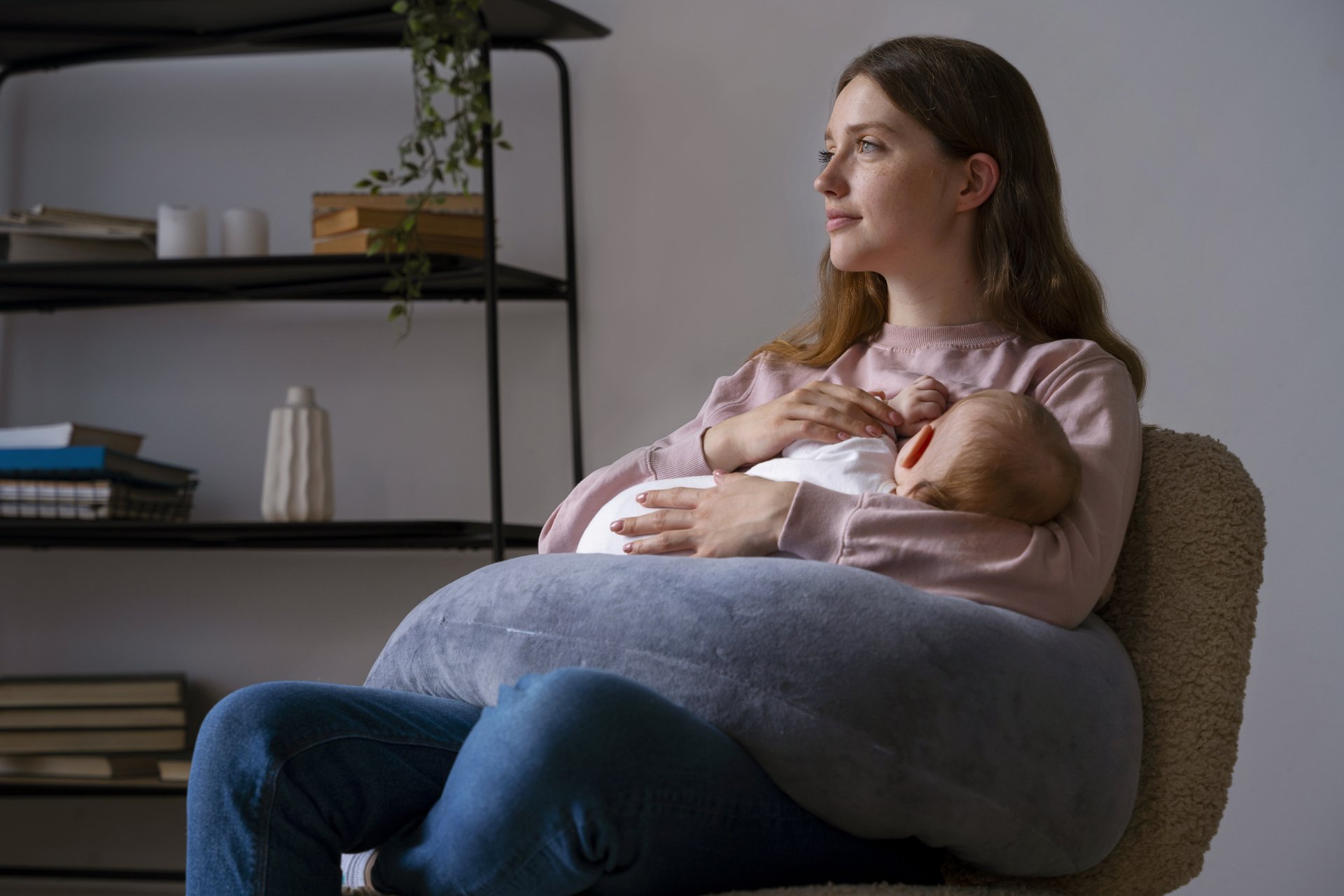
Perinatal Mood & Anxiety Disorders (PMADs) are a spectrum of mental health conditions including Postpartum Depression (PPD), Anxiety, OCD, Panic Disorder, PTSD, and in rare cases Postpartum Psychosis. PMADs currently affect 1 in 5 women and birthing people, and 1 in 10 fathers and partners each year, making these illnesses one of the most common birth complications to date. When left untreated, the impact of PMADs can be lifelong. For children, this includes delays in cognitive development, increase risk of behavioural and emotional difficulties, and increase risk of mental health complications later in life. Meanwhile, many mothers experience intense feelings of guilt as they are aware their mental health is affecting their children, yet they don’t have the tools to buffer these negative side effects.
Social support is a fundamental component of the recovery process because it offers a unique, NON-CLINICAL form of support for expecting and new parents when they need it most. Evidence continues to confirm that consistent social support greatly reduces the severity of perinatal mood and anxiety disorders. Our Perinatal Health Coordinator and Facilitators offer free peer/social support through weekly support groups as well as one-on-one private wellness sessions.
To provide clear pathways to education, treatment, and support during the perinatal period.
Check our our FAQ’s section and learn more about Perinatal Mental Health.